
Deer in West Sussex This Winter: A New Year Reminder to Get Ahead of the Damage
Winter pushes deer closer to gardens, woods and farmland across West Sussex. Here’s what landowners near Crawley, Horsham, East Grinstead and Rusper can do in the New Year to reduce damage and improve safety.
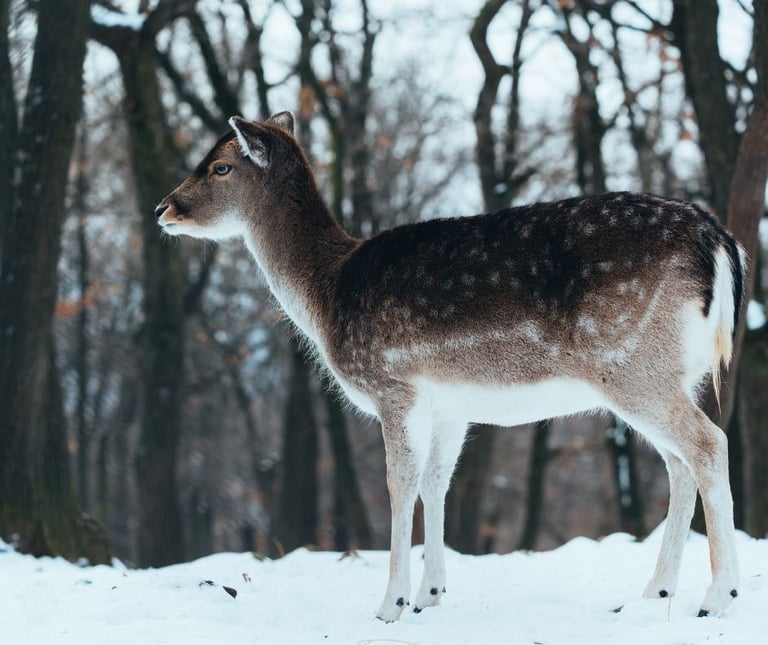
Deer in West Sussex This Winter: Why the New Year Is a Good Time to Act
If you’ve noticed more deer movement in West Sussex recently, you’re not imagining it. Winter changes where deer travel and where they feed — and as we head into the New Year, it’s one of the best times for landowners and estates to step back, assess impact, and put a sensible plan in place.
A recent BBC News article (“Why Britain has a deer problem – leaving damage that costs millions”) has helped bring the conversation into the mainstream — highlighting the real-world impacts deer can have on woodland regeneration, farming, and road safety. You can read it here:
https://www.bbc.co.uk/news/articles/c9d93xzey70o
At Deer Services UK, we support clients across West Sussex (including areas around Horsham, East Grinstead, Rusper, Crawley and the surrounding villages) with practical, responsible deer management — particularly through the winter months when issues often become more visible.
Why winter makes deer impact more noticeable
When temperatures drop and ground cover changes (especially with frost or snow), deer behaviour becomes easier to spot:
More daylight movement: Deer often adjust feeding times when conditions are harsh.
Concentrated browsing: Natural forage reduces, so deer target shrubs, young trees, hedgerows and coppice regrowth.
Clearer sign: Tracks, disturbed ground, nibbled leaders and bark damage stand out far more in winter.
Over time, high browsing pressure can stop woodland and hedgerows regenerating properly, reducing plant and wildlife diversity and preventing young trees from establishing.
Read more: https://www.forestryengland.uk/article/managing-deer-the-nations-forests
The quieter damage: woodland, hedges and biodiversity
A common misconception is that deer only cause “cosmetic” damage. In reality, consistent browsing can:
prevent natural regeneration of woodland
remove the understorey that many bird and insect species rely on
reduce woodland resilience and long-term carbon storage potential
If you’re planting new woodland, extending hedgerows, or trying to encourage natural regeneration, deer pressure is often one of the biggest reasons projects stall.
The obvious risk: deer and road safety
Across the UK, deer-vehicle collisions are a serious (and underreported) issue, with estimates commonly cited in the tens of thousands each year and hundreds of human injuries. Read more: https://bds.org.uk/information-advice/issues-with-deer/advice-for-drivers/
Locally, we often hear the same story: “We only realised how many deer were around when they started appearing on the lanes at dawn and dusk.”
Winter is exactly when many drivers are travelling in low light — and deer movement can increase along field edges, wooded corridors and rural cut-throughs
A practical New Year checklist for landowners in West Sussex
If you manage woodland, farmland, or a large garden near deer habitat (common across the High Weald and the Sussex countryside), here’s a sensible way to start the year:
Walk the boundary and woodland edges
Look for browse lines, nibbled leaders, bark stripping, tracks, bedding areas, and pinch points.Identify what you’re protecting
Young trees, coppice regrowth, sensitive planting, crops, landscaping, or public safety on access routes.Decide what “success” looks like
Reduced browsing? Better regeneration? Fewer sightings near access roads? A sustainable long-term population balance?Build a management plan (not just a one-off reaction)
Effective deer management is usually about consistency, monitoring, and working with the land — not quick fixes.
If you’re based near Horsham, East Grinstead, Rusper, Crawley, or nearby villages and want to understand what’s happening on your land this winter, we’re happy to talk through options.